Basketball Club Teams in San Diego for Aspiring Student Athletes
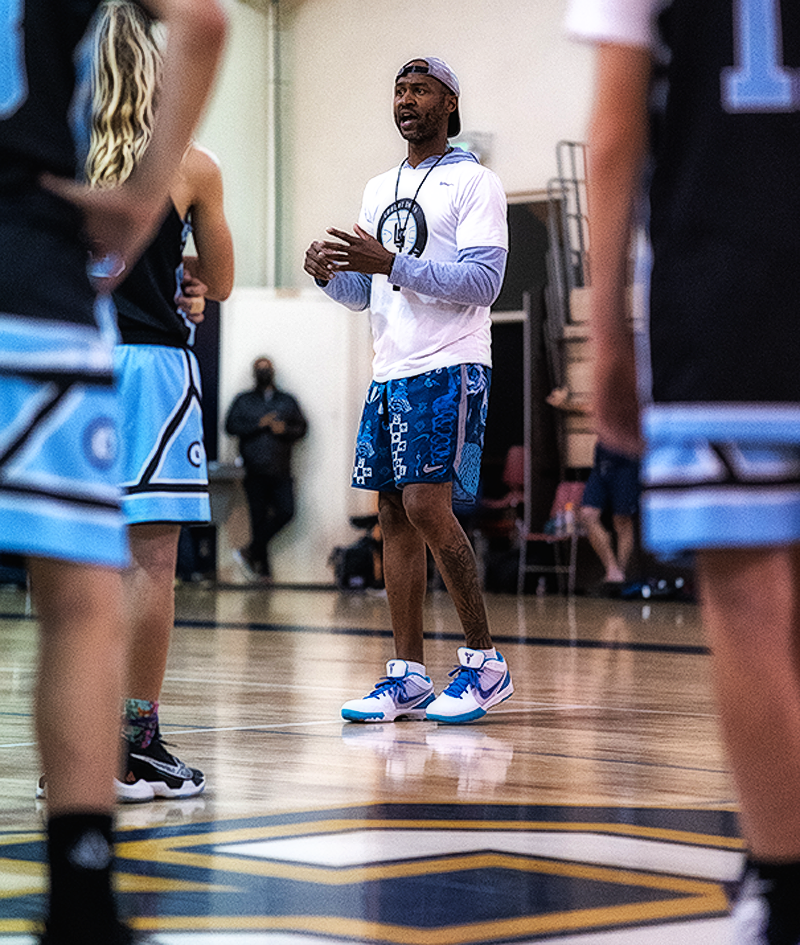
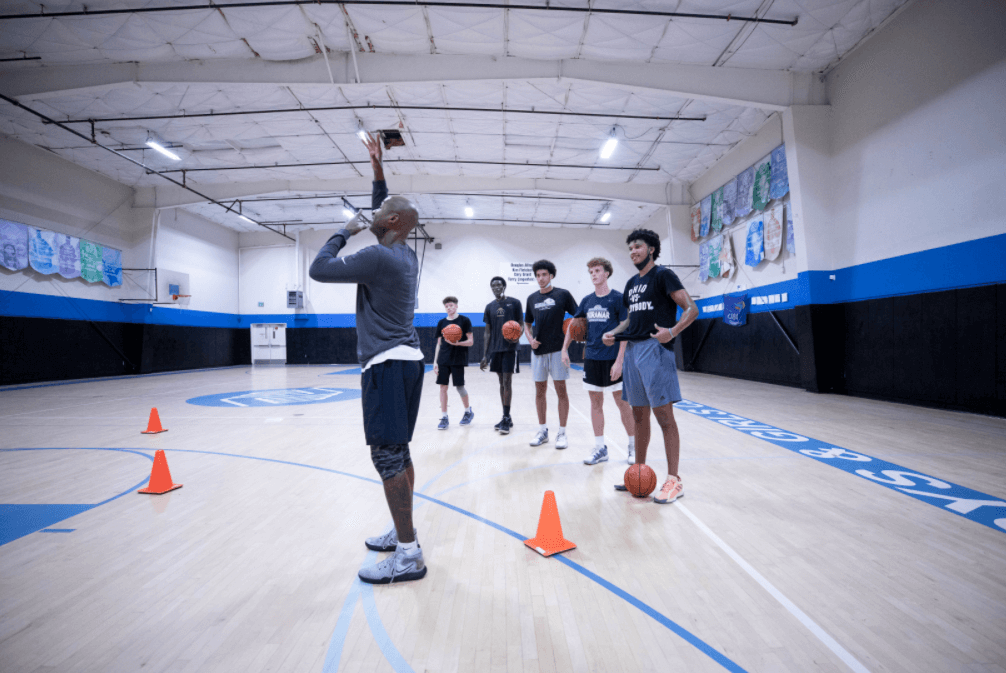
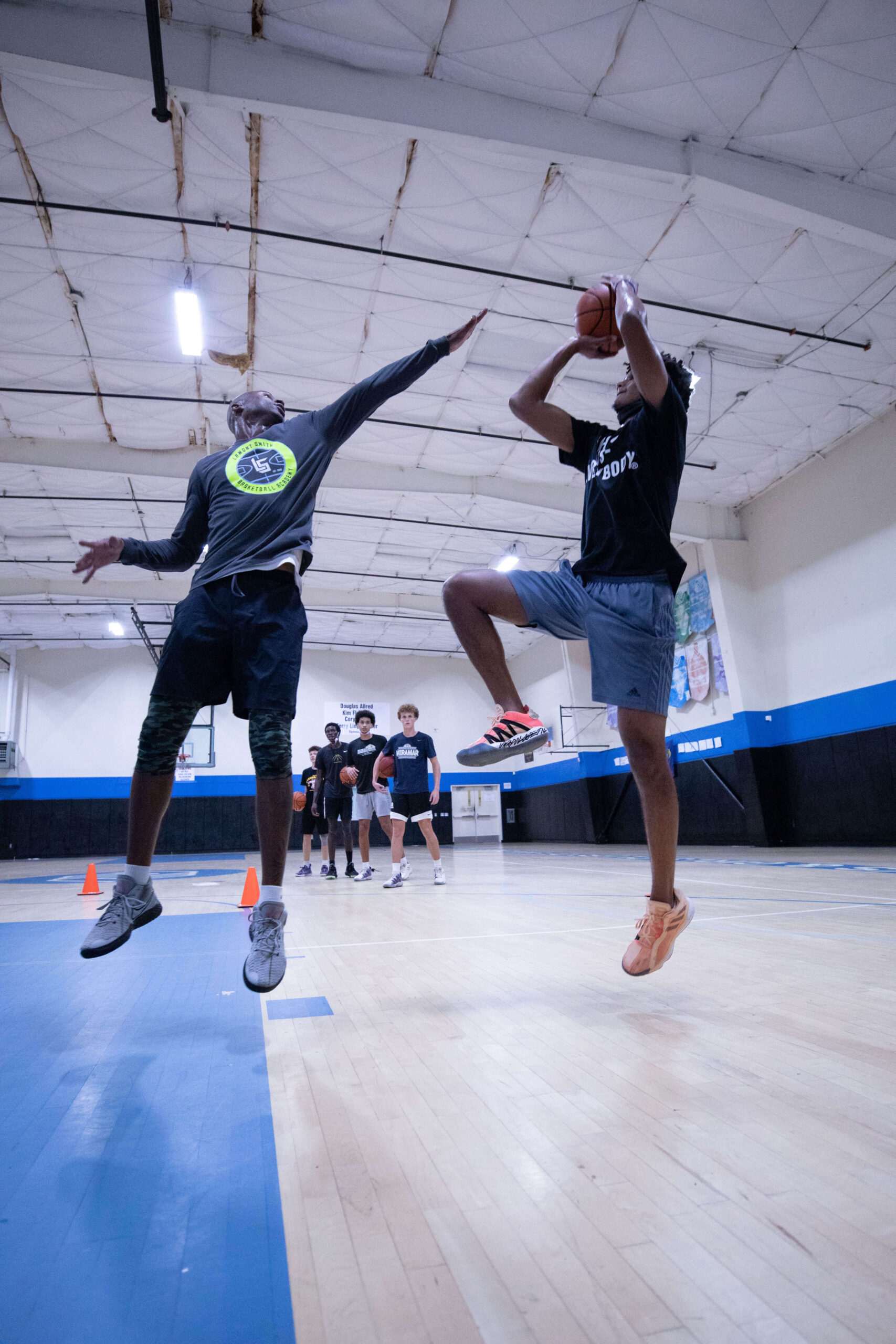
San Diego has long been a strong basketball city, but it is not always easy for families to figure out where club basketball fits into a student athlete’s development. The region has talent, year round weather, and access to serious competition from Orange County, Los Angeles, Inland Empire, and Arizona. That creates opportunity, but it also creates noise. A good club experience can sharpen skills, build confidence, and open doors. The wrong fit can drain time, money, and enthusiasm, sometimes all in the same season.
When people search for Basketball Club Teams San Diego, they are usually looking for more than a roster spot. They want a path. They want to know whether a team will actually teach, whether the schedule makes sense, whether exposure is real or just sales language, and whether the environment supports both basketball and school. Those are smart questions. Club basketball can be valuable, but only when the family understands what it is supposed to do.
The biggest mistake I see is treating every team, tournament, and coach as if they offer the same thing. They do not. Some programs are excellent at skill development for middle school players. Some are built to help varsity level athletes compete in high pressure events. Some are heavy on branding and light on teaching. Others are modest from the outside and produce disciplined, well prepared players every year. The challenge is learning how to tell the difference before you commit.
What club basketball is really for
At its best, club basketball fills in the gaps that school basketball cannot always cover. High school and middle school coaches usually work within a season, a gym schedule, and a roster that changes every year. Club teams can provide extra repetitions, more game film, tougher matchups, and a longer development runway. That matters for players who need to improve ball handling, footwork, decision making, defensive consistency, or confidence against stronger competition.
It also gives players a chance to step outside their school identity. A kid who is a primary scorer on a local school team may become a role player on a strong club roster. That can be healthy. It forces adaptation. It teaches how to defend without fouling, how to move without the ball, and how to impact games when the offense is not built around you. College coaches, and good high school coaches too, notice those habits.
Still, club basketball is not magic. Playing more games does not automatically make a player better. In fact, too many games without enough targeted practice often stalls development. I have watched players spend entire spring and summer weekends traveling to events only to get eight hurried minutes per game and almost no instruction. Families feel busy, but busy is not the same as productive. The right program understands that improvement usually comes from a strong practice environment first, then competition that tests what has been taught.
Why San Diego presents both advantages and trade-offs
San Diego is in a favorable spot for basketball families because the area sits close enough to major recruiting and tournament markets without the constant overload that some larger metro areas face. A strong player can find meaningful competition locally, then see higher level teams from Southern California on weekends. That balance can work well, especially for athletes who still need time for academics, recovery, and a normal home life.
The trade-off is that travel often becomes part of the equation sooner than families expect. If a player is on a serious team, weekends may involve long drives north, hotel costs, and full days in large tournament venues. The better the circuit, the more likely the athlete will spend time on the road. Some players thrive on that atmosphere. Others wear down by midsummer, especially if they are also training, lifting, and trying to maintain grades.
San Diego also has a wide range of player goals. One family may be looking for a positive developmental environment for a seventh grader who loves the game. Another may be focused on varsity preparation. Another may be chasing NCAA Division II, Division III, NAIA, or junior college opportunities. Those goals are all legitimate, but they require different team environments. A mismatch is where frustration starts. A player who needs patient teaching may get lost on a win now roster. A proven high school athlete may stagnate on a team that does not challenge him or her.
The difference between a good team and a good fit
This is the part many people skip. They ask whether a club is good, when the more useful question is whether it is good for this player, at this age, in this season.
A ten year old who still needs to learn how to pivot, pass on time, and finish through contact needs a coach who teaches details and keeps the game enjoyable. A high school sophomore trying to earn college interest needs competition, structure, and film, but also honest feedback about level. A junior who is already a strong varsity contributor may need a platform where he or she can guard high major prospects, show versatility, and prove consistency over several weekends.
A good fit usually comes down to coaching, role clarity, and developmental philosophy. If the coach can explain exactly how the player will be used, what needs improvement, and how progress will be measured, that is a strong sign. If the conversation centers mostly on uniforms, travel destinations, and exposure, I would be cautious. Exposure without readiness rarely helps. Coaches recruit players who can play, and playing ability is built in the gym before it is noticed from the sideline.
One parent I spoke with a few years ago had two sons in club basketball at the same time. The older one was a polished shooter who benefited from a competitive national schedule. The younger one was energetic but raw and really needed a practice heavy environment. The family initially put both boys in the same well known program for convenience. By the middle of the summer, it was clear that the younger brother was getting swallowed by the pace. He switched to a more local development focused team the next season and improved much faster. Same city, same sport, completely different need.
What strong coaching looks like in practice
A lot of club coaches can motivate. Fewer can teach. The distinction matters.
Strong coaching shows up in the small things first. Watch how practice starts. Does the team drift through warmups, or is there purpose from the first drill? Listen to corrections. Are they specific, like telling a player to jump stop in the lane, keep the weak hand active on defense, or attack the top foot on a closeout? Or are they generic, mostly volume and emotion? Real development lives in details.
Game coaching matters too, but not always in the way families think. Some coaches manage games well yet neglect skill growth. Others teach beautifully during the week but struggle with rotations and adjustments. The best club coaches do both. They hold players accountable, communicate clearly, and create a style that helps athletes learn transferable habits. Those habits include spacing, decision making, defensive communication, transition discipline, and poise late in possessions. Those are the things high school and college coaches trust.
Another sign of quality is how a coach handles mistakes. Young players make a lot of them. Good coaches correct without humiliating. They know when to push and when to settle a player down. They do not confuse public embarrassment with standards. If every missed rotation leads to a meltdown on the sideline, players stop competing freely. They play tight. That can ruin an otherwise talented team.
Skill development still decides most futures
Families get pulled toward showcases, rankings, and social media clips, but most basketball futures are decided by repeatable skills. Can the player handle pressure? Can he or she make the next pass? Finish with either hand? Defend bigger or quicker opponents? Shoot under fatigue? Move laterally without crossing feet? Understand pace? These are not glamorous questions, yet they determine who stays on the floor.
For younger players, club basketball should support foundational growth, not replace it. A middle school athlete who plays forty games but cannot confidently change direction with the ball is not actually ahead. Repetition matters, but only if it is quality repetition. Many of the best long term players in San Diego spend as much time in workouts and smart pickup settings as they do in tournament play.
For high school athletes, the priority shifts a bit. Skill still drives everything, but role specific skill becomes more important. A guard may need to become reliable as a pick and roll decision maker. A wing may need to prove he can shoot from college range while defending multiple positions. A post player may need quicker feet, better screening angles, and touch outside the paint. Club basketball should help clarify those needs rather than blur them.
The exposure question, asked honestly
Exposure is real, but it is often misunderstood. Coaches at the college level do attend major events, and they do identify prospects through club basketball. At the same time, not every tournament brings meaningful recruiting attention, and not every good player is an immediate college prospect. Families deserve honesty here.
Most college coaches start with film and recommendations before they invest travel time. Then they look for players who fit their level, academic standards, roster needs, and style of play. That means a student athlete can have a strong weekend and still hear nothing if the fit is not there. That is normal. It does not mean the player failed. It means recruiting is narrower than many marketing pitches suggest.
San Diego athletes with college aspirations should think about exposure as the result of preparedness plus fit plus timing. A player who performs consistently against strong competition, has solid grades, communicates professionally, and appears on film as a dependable contributor has a realistic chance to get attention at the appropriate level. A player who posts flashy clips but disappears defensively, turns the ball over under pressure, or lacks academic eligibility will struggle, no matter how many events are on the calendar.
Parents often ask when exposure should become a major priority. My answer depends on the athlete. For many players, especially before high school, development should clearly outrank exposure. For varsity age players, especially sophomores and juniors, exposure becomes more relevant, but only if the skill base and academic profile are strong enough to support it.
Cost, time, and the hidden math of club basketball
Club basketball can be expensive in obvious and not so obvious ways. Team fees are only the beginning. Add uniforms, tournament admissions, gas, meals, private training, hotels, and lost weekends, and the annual cost can climb quickly. Some families can absorb that easily. Many cannot, or they can only do so with real sacrifice. There is no shame in factoring cost into the decision. It is one of the most practical forms of wisdom.
Time may be the bigger issue. A student athlete who trains, travels, attends school, and handles homework is already carrying a serious load. Add strength work and recovery, and there is not much room left. I have seen players improve simply by choosing one less event and one more quality practice week. Rest is not softness. It is part of performance.
These are the questions I encourage families to ask before saying yes to a team:
- How many practices are guaranteed each month, and who runs them?
- What level of tournaments will the team actually play, not ideally play?
- How is playing time handled in close games and across the season?
- What specific improvements does the coach expect from this player?
- What total costs should the family expect beyond the base fee?
A program that answers these directly is usually more trustworthy than one that stays vague until payment is due.
Choosing a team by age and stage
A fourth grader and an eleventh grader should not be evaluated by the same standards. That sounds obvious, but families often borrow expectations from older players and apply them too early.
For elementary and younger middle school players, joy matters. Skill instruction matters. Competitive habits matter. Heavy travel and constant roster shuffling usually do not. At that stage, I prefer teams that teach spacing, footwork, defensive stance, and decision making in a way kids can absorb without losing their love for the game. If a child starts dreading tournaments at age eleven, something is off.
By eighth grade and early high school, competition level becomes more important. Players need to experience physical games, quicker opponents, and systems that force them to think. This is where club basketball can reveal hard truths in a healthy way. A player may realize that the dribble package that worked locally does not create separation against stronger defenders. Good. Better to learn that in spring than during high school tryouts.
For juniors and seniors, fit becomes even sharper. If college basketball is the goal, every decision should connect to level, film, schedule, academics, and communication. If college basketball is not the goal, club basketball can still be useful, but it should serve the player rather than dominate the family calendar. There is nothing wrong with playing competitively simply because the athlete loves the game and wants to keep improving.
What parents can do that genuinely helps
Parents matter more than most people admit. Not because they coach from the stands, which almost never helps, but because they set the tone around the experience. The healthiest families keep a long view. They understand that one bad weekend does not define a player, and one hot tournament does not erase developmental needs.
The most effective parent behavior is usually quiet and steady. Arrive on time. Keep logistics clean. Support nutrition and sleep. Ask good questions after games, but not too many. Let the car ride home breathe. If your child wants feedback, focus on effort, poise, and teachable moments before stats. Players can usually tell when adults are chasing status instead of progress, and it creates pressure that sits https://louistbur515.raidersfanteamshop.com/how-basketball-club-teams-in-san-diego-support-athlete-development-year-round heavy.
There is also a practical side to parental support that gets overlooked. Help your athlete keep track of school responsibilities during tournament season. Encourage communication with teachers when travel interferes. If recruiting becomes relevant, make sure emails, transcripts, and video are organized. The basketball side gets most of the attention, but the mature administrative side often separates serious prospects from hopeful ones.
Red flags that deserve a second look
Not every problem is a deal breaker, but some patterns should slow a family down. Constant promises of exposure with no clear event strategy is one. So is a roster that seems to expand every month without role clarity. Frequent coach turnover can signal instability. So can unclear finances or pressure to pay quickly before basic questions are answered.
Watch how current players behave on the bench and during huddles. That tells you a lot about culture. Are they engaged, communicating, and accountable to each other? Or are they detached and confused? Also pay attention to how the program talks about players who leave. Respectful language suggests maturity. Bitterness suggests insecurity.
One more red flag is when a program tries to make families believe that every missed event is catastrophic. Serious basketball requires commitment, but fear based messaging is rarely healthy. Good coaches want dedicated players. They also understand that student athletes are still students, still growing, and still managing a full life.
When a local option is better than a bigger name
This may be the most useful point for San Diego families. Bigger is not always better. A high profile club can be excellent for the right player, especially one already prepared to contribute in that environment. But a strong local team with demanding practices, honest coaching, and consistent minutes may do more for a player’s future than a flashy brand where the athlete becomes an afterthought.
I have seen athletes leave smaller, well run programs too early because they assumed a bigger circuit automatically meant progress. Sometimes it did. Other times they lost confidence, touches, and development time. The reverse also happens. A player dominates locally, then reaches a point where tougher competition is necessary. The key is timing. Move up when the player is ready to be challenged, not simply when the logo looks better on social media.
San Diego offers enough variety that families can often find that next right step without rushing. The job is not to chase the loudest option. It is to choose the environment that gives the athlete the best chance to improve, compete honestly, and stay healthy.
The student part of student athlete
Basketball can shape a young person beautifully. It teaches composure, teamwork, resilience, and discipline. But the word student comes first for a reason. A club team should support the broader life of the athlete, not swallow it whole.
That means grades matter. Sleep matters. Character matters. How a player treats teammates, responds to coaching, and handles disappointment matters. College coaches ask about those things. High school coaches notice them too. Even for athletes who never play past high school, those habits carry into work, school, and adulthood.
The best basketball journeys in San Diego rarely look identical. One player blooms late and finds the right fit as a junior. Another develops steadily through a modest local program and becomes a strong high school contributor. Another earns college interest because he became dependable, coachable, and academically solid, not because he was the most hyped player at age fourteen.
That is the real frame for Basketball Club Teams San Diego. The right team is not simply the one with the biggest reputation or busiest schedule. It is the one that meets the athlete honestly, develops the right skills, competes at the right level, and respects the full reality of growing up while chasing something ambitious. For families who can keep that perspective, club basketball becomes what it should be, a tool, not an identity, and a meaningful part of a much larger path.
Lamont Smith Basketball Academy
888 Clairemont Mesa Blvd Suite T-2, San Diego, CA 92123
(619) 639-8778
FAQ About Basketball Club Teams San Diego
How can a player join an LSBA club team?
Players are evaluated during practices so the coaching staff can recommend an appropriate team and development level. Families should contact the academy to confirm current openings and evaluation details.
Are club teams available for newer basketball players?
Yes. LSBA describes multiple levels, including a developmental option for newer players as well as more competitive teams for athletes with prior club experience.
What do LSBA club team practices emphasize?
Practices emphasize basketball fundamentals, team defense, structure, communication, and player development. The specific focus may vary according to the team and experience level.
Do all LSBA teams travel?
Travel expectations vary by level. Some teams focus on local competition, while advanced teams may participate in tournaments elsewhere in Southern California or beyond. Families should confirm the current schedule before enrolling.